
A Tale of Two Aids: Why France Must Pivot Where the US Failed
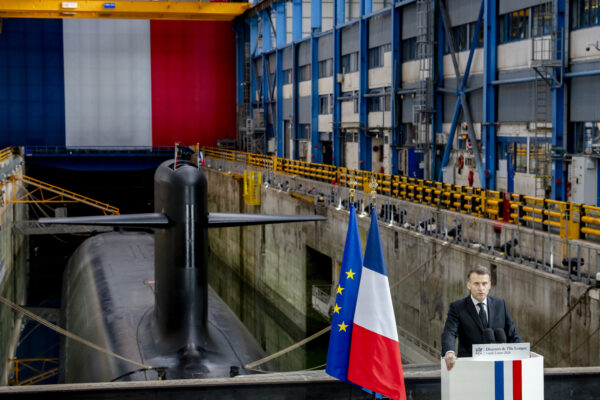
Macron’s Nuclear Moment: The Making of France’s “Forward Deterrence” Posture
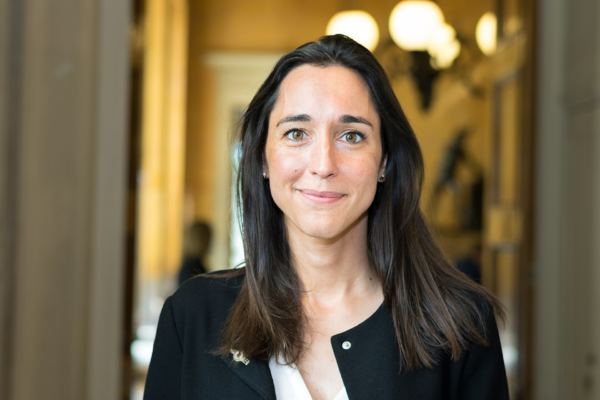
In Conversation with Brune Poirson
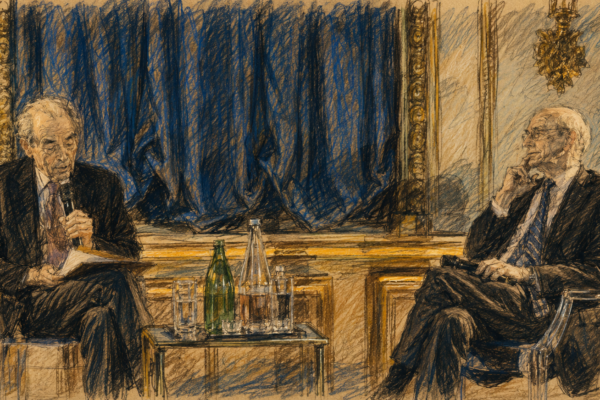
Tribute to Robert Badinter, by Stephen Breyer
The Omnivore Strategy: Green Deal, Geopolitics, and the Transatlantic Split
What Harvard and MIT Taught a French Officer about Defense Innovation
Leaving to Grow
Europe, Year Zero
The Brain Drain in Science and Tech
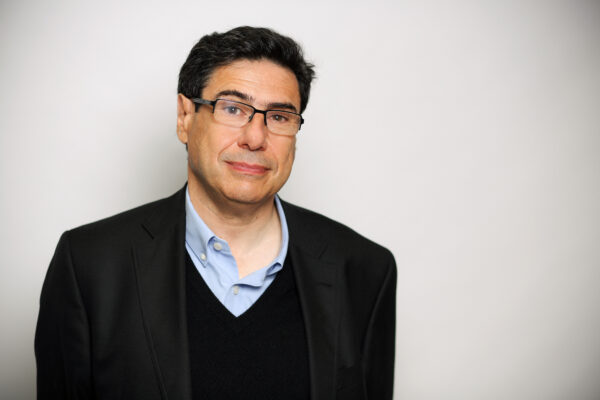
In Conversation with Philippe Aghion
Economist Philippe Aghion, professor at the Collège de France, reflects on the drivers of growth, the role of innovation, and the challenges facing European industrial policy.
Leaving to Grow
From Monaco to Cambridge: Harvard student-athlete Giulia Viacava on the crossing—the arrival, the roommates, the dining hall, the pools, the 5:30 a.m. mornings, and everything you discover about yourself when you trade the familiar for what becomes home.
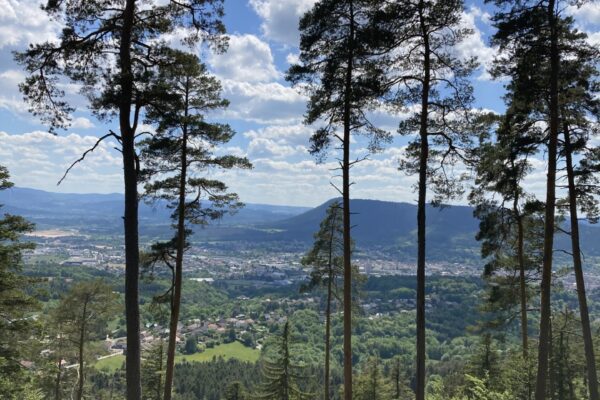
Journeys Home, by Virginie Greene
After thirty-six years in the United States, a Harvard professor returns to the Vosges. What follows is an unexpected journey—not between continents, but through the concentric circles of a world measured by footsteps.
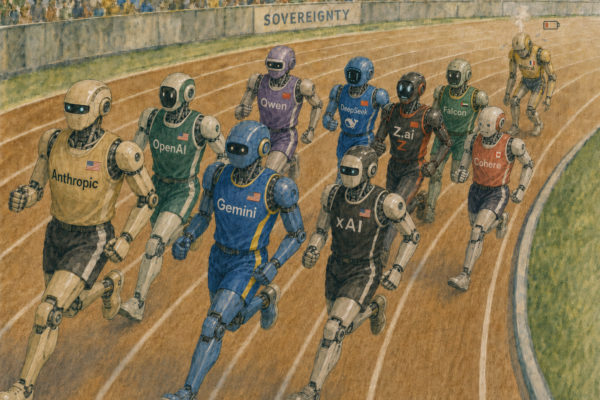
Sovereignty or Chosen Dependence: Which Future Will Europe Choose?
Europe stands at a crossroads: build sovereign AI capabilities or accept technological dependence on American and Chinese giants.
What Harvard and MIT Taught a French Officer about Defense Innovation
A French officer at the Belfer Center observes how Harvard, MIT, and Stanford turn military needs into testable prototypes — and proposes a mechanism France has yet to build.
The Omnivore Strategy: Green Deal, Geopolitics, and the Transatlantic Split
The transatlantic rift over the European Green Deal, and how geopolitical tensions are reshaping trade alliances between Europe and the United States.

Odysseus is a Woman—Interview with Cargo Club Founder Catherine Domain on the Île Saint-Louis
Catherine Domain, founder of the Ulysse bookstore on the Île Saint-Louis, on travel, literature, freedom, and the art of living without compromise.
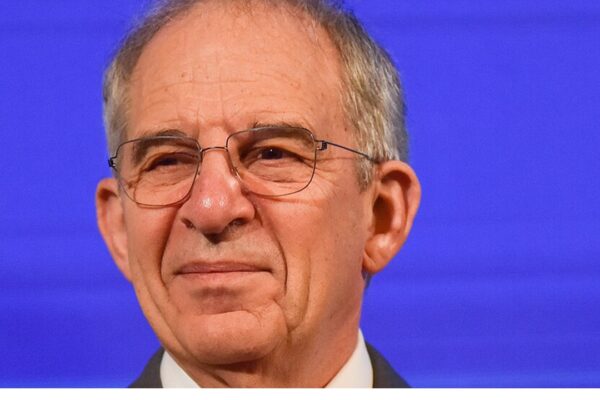
In Conversation with Michel Devoret
The 2025 Nobel laureate in physics reflects on twenty-five years of research between France and the United States, and what moving between scientific cultures taught him.
Tribute to Robert Badinter, by Stephen Breyer
A tribute delivered at Robert Badinter’s funeral, in which former U.S. Supreme Court Justice Stephen Breyer traces the life of the man who made French justice “no longer a justice that kills”—and reminds the young that the rule of law must be defended.
In Conversation with Brune Poirson
A former French Secretary of State for the Ecological Transition and Kennedy School alumna, Brune Poirson reflects on her path, the limits of France’s climate diplomacy, the declared failure of the COP model, and the role of business in the face of urgency.
American development aid has often missed the mark. Can France chart a better course? A look at the lessons worth heeding.
How France’s nuclear doctrine, long rooted in strict national independence, evolved under Macron into a cornerstone of European strategic autonomy.
The transatlantic rift over the European Green Deal, and how geopolitical tensions are reshaping trade alliances between Europe and the United States.
Europe stands at a crossroads: build sovereign AI capabilities or accept technological dependence on American and Chinese giants.
How two engineers shaped by war—a German-born Jew turned American citizen, and a Polytechnicien wounded at Brest—sealed in 1974 the most enduring Franco-American partnership in civil aviation, now the global leader in aircraft engines.
Why is Europe losing its brightest scientists? A look into this quiet migration driven by competitive salaries, national narratives, and the strategic stakes of deep tech.
Faced with the Russian threat and waning American support, Europe is awakening to the full extent of its military dependence. Can it still claim strategic autonomy without overhauling its budgetary priorities?
A scholar’s journey through languages, cultures, and shifting identities — and the central question of how to truly understand one another across borders.
From the promise of democratic renewal to mounting social unrest, the trajectory of a president at the heart of today’s upheavals. A look back at two terms that reshaped the contours of power and the French presidency.
Economist Philippe Aghion, professor at the Collège de France, reflects on the drivers of growth, the role of innovation, and the challenges facing European industrial policy.
A former French Secretary of State for the Ecological Transition and Kennedy School alumna, Brune Poirson reflects on her path, the limits of France’s climate diplomacy, the declared failure of the COP model, and the role of business in the face of urgency.
A tribute delivered at Robert Badinter’s funeral, in which former U.S. Supreme Court Justice Stephen Breyer traces the life of the man who made French justice “no longer a justice that kills”—and reminds the young that the rule of law must be defended.
The 2025 Nobel laureate in physics reflects on twenty-five years of research between France and the United States, and what moving between scientific cultures taught him.
A French officer at the Belfer Center observes how Harvard, MIT, and Stanford turn military needs into testable prototypes — and proposes a mechanism France has yet to build.
Former Prime Minister of France and current mayor of Le Havre, Édouard Philippe delivers a clear-eyed warning on the crumbling of the transatlantic order — and the urgent need for Europe to shed the illusions that stifle its ambition.
Former French Foreign Minister and seasoned diplomat, Hubert Védrine offers a frank appraisal of French diplomacy, the shortcomings of multilateralism, and the limits of a world order in disarray.
Antoine Compagnon, professor at Columbia and member of the Académie française, on his journey from science to literature, Proust, digital reading, and his summers with great authors.
Catherine Domain, founder of the Ulysse bookstore on the Île Saint-Louis, on travel, literature, freedom, and the art of living without compromise.
After thirty-six years in the United States, a Harvard professor returns to the Vosges. What follows is an unexpected journey—not between continents, but through the concentric circles of a world measured by footsteps.
From Monaco to Cambridge: Harvard student-athlete Giulia Viacava on the crossing—the arrival, the roommates, the dining hall, the pools, the 5:30 a.m. mornings, and everything you discover about yourself when you trade the familiar for what becomes home.
Essayist and scholar of American democracy, Seth David Radwell traces the rise of MAGA populism back to a founding conflict: who truly governs, in whose name, and to what end?
Jeanne Theuret, entrepreneur and co-founder of a women’s health clinic, exposes the blind spots of a medical system long shaped by and for men — and sketches the outlines of a more equitable practice
Moroccan pianist trained in Paris, Brussels, and Casablanca, Nour Ayadi reflects on her intimate relationship with the piano, the depth of the classical repertoire, and the delicate art of interpretation.
How can one speak the irreversible — do justice to the past without betraying it? Drawing on Annie Ernaux’s works and journals, Harvard student Anna R. Gamburd explores the gestures of writing that preserve. A nuanced analysis, praised by the author herself, where literature, memory, and cinema intertwine.
Prosper Batariwah, lawyer and Harvard graduate, offers a sharp reflection on the layered forms of African identity and how literature has captured them — from the writers of the Négritude movement to today’s queer voices.